
How to Use First-Party Data in Email Marketing After Privacy Changes
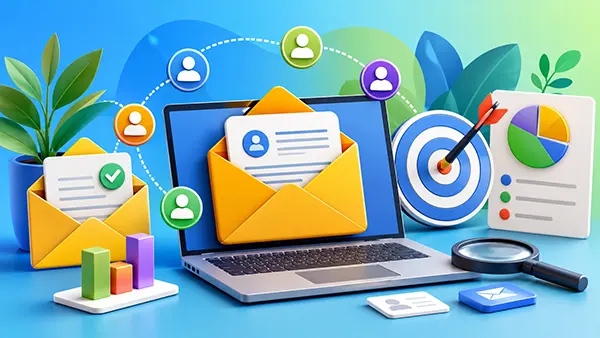
Email marketing has changed significantly over the past few years. The introduction of stronger privacy regulations, browser restrictions on third-party cookies, and privacy-focused features from companies such as Apple and Google have reduced the amount of behavioural data available to marketers. As a result, businesses have had to rethink how they collect, manage, and use customer information. Instead of relying on data purchased from external providers or collected through third-party tracking, organisations are increasingly building strategies around first-party data—information shared directly by customers through their own interactions. When handled transparently and responsibly, first-party data allows brands to create relevant email campaigns while respecting customer privacy and maintaining compliance with modern data protection laws.
Why First-Party Data Has Become the Foundation of Modern Email Marketing
First-party data refers to information collected directly from people who interact with a business. This includes email addresses obtained through newsletter subscriptions, purchase history, browsing behaviour on a company’s own website, survey responses, loyalty programme activity, customer support interactions, and declared preferences. Unlike third-party data, which often comes from external sources with limited transparency, first-party data is collected with a clear relationship between the organisation and the customer. This makes it more accurate, more relevant, and easier to manage under current privacy requirements.
The shift towards first-party data accelerated after major privacy updates affected digital marketing worldwide. Apple’s Mail Privacy Protection reduced the reliability of email open rates, while browsers such as Safari and Firefox had already restricted third-party tracking technologies. Google has also continued to strengthen privacy controls across its advertising ecosystem. At the same time, regulations including the General Data Protection Regulation (GDPR), the UK GDPR, the Privacy and Electronic Communications Regulations (PECR), and similar laws in other regions require organisations to be transparent about data collection and provide users with greater control over their personal information.
For email marketers, these changes represent more than a technical challenge. They encourage businesses to build stronger relationships with subscribers by focusing on trust instead of extensive tracking. Customers who willingly share their preferences, interests, and purchasing intentions often provide more valuable information than anonymous behavioural profiles ever could. As a result, campaigns become more relevant while customer confidence in the brand increases.
What Information Qualifies as First-Party Data?
Many organisations already collect valuable first-party data without fully recognising its potential. Every newsletter sign-up, account registration, completed purchase, contact form submission, product review, and customer service enquiry contributes to a growing understanding of customer needs. Even simple information such as preferred product categories, communication frequency, or favourite store location can improve email relevance when used responsibly.
Behavioural information collected within a company’s own digital properties also falls into this category. Website pages viewed, products added to a basket, completed purchases, repeat visits, and interactions with mobile applications all provide meaningful insights when customers have been informed about the collection process and appropriate consent has been obtained where required. Because this information originates directly from customer interactions, it is generally more reliable than externally sourced datasets.
Declared or “zero-party” data has become particularly valuable in recent years. This refers to information that customers intentionally provide, such as selecting preferred topics during newsletter registration, answering preference surveys, completing quizzes, or choosing communication interests within an account profile. Since this information comes directly from the customer, it enables highly relevant personalisation without relying on invasive tracking techniques. Many organisations now actively encourage subscribers to update their preferences regularly, creating a transparent exchange that benefits both parties.
Building a Strong First-Party Data Strategy for Email Campaigns
A successful first-party data strategy begins long before an email is sent. Businesses should identify which information genuinely helps them improve customer communication instead of collecting every available data point. Asking for excessive personal information during registration often discourages new subscribers, whereas requesting only essential details creates a smoother experience. Additional preferences can be gathered gradually as the relationship develops, making the process feel natural rather than intrusive.
Transparency has become equally important. Customers expect organisations to explain why information is being collected, how it will be used, and how they can change their preferences or withdraw consent. Clear privacy notices, accessible preference centres, and straightforward unsubscribe options contribute to stronger trust. Rather than treating compliance as a legal obligation alone, many successful businesses now consider transparency an important part of the overall customer experience.
Data quality should receive continuous attention throughout the customer lifecycle. Outdated email addresses, duplicate records, incomplete profiles, and inactive subscribers reduce campaign performance and may affect sender reputation. Regular database maintenance, preference updates, and periodic verification of subscriber information help ensure that email campaigns remain relevant while improving deliverability and engagement over time.
Using Segmentation and Personalisation Without Invading Privacy
Personalisation no longer depends on extensive tracking across multiple websites. Instead, marketers can create meaningful experiences by analysing the information customers have willingly shared through direct interactions. Purchase history, browsing activity on the company’s own website, previous email engagement, preferred product categories, and declared interests often provide sufficient insight to deliver highly relevant messages without relying on third-party data sources.
Effective segmentation enables organisations to communicate with different audiences according to their specific needs. New subscribers may benefit from educational welcome sequences, while returning customers might receive product recommendations based on previous purchases. Subscribers who have not interacted with emails for several months can enter carefully designed re-engagement campaigns instead of continuing to receive the same promotional messages as active customers. This targeted approach increases relevance while reducing unnecessary email volume.
Dynamic email content further improves personalisation by displaying different information to different subscriber groups within the same campaign. Product suggestions, educational resources, local events, seasonal offers, or service updates can all be adapted according to customer preferences without requiring invasive tracking methods. When personalisation is based on transparent first-party data, subscribers are more likely to perceive communications as genuinely helpful rather than overly intrusive.
Measuring Success and Preparing Email Marketing for the Future
Privacy changes have also transformed how email marketing performance should be measured. Open rates, once considered one of the most important metrics, have become less reliable because features such as Apple Mail Privacy Protection can automatically load tracking pixels without any action from the recipient. As a result, businesses should avoid making strategic decisions based solely on opens and instead evaluate several performance indicators together.
More meaningful metrics include click-through rates, conversion rates, completed purchases, lead generation, subscription renewals, customer lifetime value, and overall revenue generated by email campaigns. These measurements reflect genuine customer actions and provide a clearer picture of campaign effectiveness. Analysing long-term trends rather than individual campaigns also helps organisations identify sustainable improvements instead of reacting to short-term fluctuations.
First-party data should continue to evolve alongside customer relationships. Every interaction—whether it is a completed purchase, updated communication preference, downloaded guide, webinar registration, or customer service enquiry—adds valuable context that can improve future campaigns. By maintaining accurate records and continuously refining audience segments, businesses can deliver increasingly relevant communications while respecting individual privacy choices.
Best Practices for Long-Term Success with First-Party Data
Building a successful first-party data strategy requires consistency rather than quick results. Organisations should review consent records regularly, remove inactive or invalid email addresses, update subscriber preferences, and monitor data accuracy across all marketing systems. These routine activities help maintain a healthy mailing list, improve sender reputation, and ensure compliance with evolving privacy legislation.
Customer trust should remain the central objective of every email marketing programme. Subscribers are more willing to share information when they clearly understand the benefits they receive in return. Exclusive educational content, personalised recommendations, early access to new products, loyalty rewards, or tailored updates can encourage customers to provide additional preferences voluntarily. This transparent value exchange strengthens long-term engagement without relying on hidden tracking methods.
As privacy expectations continue to develop beyond 2026, first-party data is expected to remain one of the most valuable assets in digital marketing. Organisations that prioritise transparency, responsible data management, and customer choice will be better positioned to build lasting relationships and maintain effective email communication. Rather than limiting marketing opportunities, the move towards first-party data encourages businesses to focus on relevance, trust, and meaningful customer experiences that support sustainable growth over time.